

International Women’s Day holds more significance than being just a day of remembrance.
It is a time for reflecting on the past challenges women have faced in their fight for equality, rights, and acknowledgment.
In this article, we will discuss the history of this day, the progress of women’s rights globally and in Brazil, and provide uplifting messages to commemorate this significant movement.
What is the origin of the selected date for Women’s Day?
The UN officially marked the first celebration of International Women’s Day in 1975 during the International Year of Women.
In 1977, the organization passed a resolution urging member countries to officially use their national customs for dating.
Its roots can be traced back to the early 20th century, during a period marked by efforts for improved labor conditions, equal opportunities, and political engagement.
Over the years, we witnessed the consolidation of the women’s movement and the selection of the commemorative date.
Workers’ involvement in advocating for women’s rights.
During the late 19th and early 20th century, the Industrial Revolution introduced harsh working conditions, particularly impacting women and children.
One of the first important events in the women’s fight for rights was the textile workers’ strike in New York in 1908.
Over 15,000 employees demanded reduced work hours, fair pay, and improved work environments.
In 1911, a blaze at the Triangle Shirtwaist factory in New York resulted in the deaths of 146 mostly female workers, sparking discussions about workplace safety and workers’ rights.
This story is one of the most memorable aspects of Women’s Day, but it wasn’t the sole reason for its establishment.
The Socialist Women’s International Conference
During the Second International Conference of Socialist Women in 1910, Clara Zetkin suggested establishing a global day to raise awareness about the struggle for women’s rights.
The suggestion was approved, and in the subsequent years, numerous countries started commemorating the occasion, including Austria and Switzerland.
The participation of Russian women in the Revolution
During World War I, women were essential in factories and providing for the population.
Thousands of workers in Petrograd (now Saint Petersburg) marched on March 8, 1917, seeking improved working conditions, food, and an end to the war.
The protests expanded and sparked the Russian Revolution, leading to the downfall of the tsarist government.
The strikes had such a big effect that the communist movement declared the date as International Women’s Day in 1921.
The formal acknowledgment by the United Nations
In 1977, the UN officially designated March 8 as International Women’s Day due to the growing influence of feminist movements in the Western world.
Establishing the date as a time to recognize gender inequality and the significance of the fight for rights.
What do Women’s Rights entail?
Women’s rights encompass provisions for gender equality and safeguarding individuals against mistreatment and bias.
They cover various essential aspects to guarantee women’s dignity and respect in society.
The primary rights consist of:
- Civil and political rights include the right to participate in elections and politics, the right to express oneself freely, and the right to be treated equally under the law.
- Equal pay for men and women, maternity leave, job security during pregnancy, and prevention of moral and sexual harassment at work are all part of labor and economic rights.
- Reproductive and sexual rights: Access to contraceptive methods and family planning, right to information about reproductive health and right to choice about motherhood;
- Legislation is in place to prevent violence and discrimination, including laws against feminicide, domestic violence, and sexual harassment. Additionally, protective measures, psychological support programs, and legal assistance are available for women at risk.
The realization of these rights has been achieved through the long-standing efforts of women, yet there are still obstacles to be addressed in order to guarantee universal access to them.
How did the women’s rights movement emerge in Brazil?
In Brazil, the fight for women’s rights started in the 1800s, led by influential individuals who laid the groundwork for the progress seen today.
Some of the key landmarks are:
The start of the struggle for rights
- In 1852, Nísia Forest releases “Rights of Women and Injustice of Men,” one of Brazil’s early feminist writings.
- In 1910, the first feminist organization in Brazil was established by Leolinda Daltro to advocate for women’s suffrage.
Political and social victories
- In 1932, the suffragist movement led by Bertha Lutz achieved success in obtaining the right to vote and run for political office.
- The 1962 Married Woman’s statutes ensure women’s civil rights, including the ability to work without needing their husband’s approval.
Progress in laws and safeguarding of women
- The Federal Constitution of 1988 acknowledges equality between men and women in terms of their rights and responsibilities.
- Sanctioned in 2006, the Maria da Penha Law is a crucial tool for safeguarding against domestic violence.
- Established in 2015, the Feminicide Law categorizes the killing of women due to their gender as a severe offense.
- In 2021, Law No. 14,245 (Mariana Ferrer Law) was enacted to prevent the revictimization of women in sexual assault trials.
Each of these accomplishments stemmed from social movements, discussions, and challenges to a society entrenched in structural male dominance. While advancements persist, there remains ample work ahead.
8 ways to honor International Women’s Day
Explore our messages to celebrate women on this special occasion.
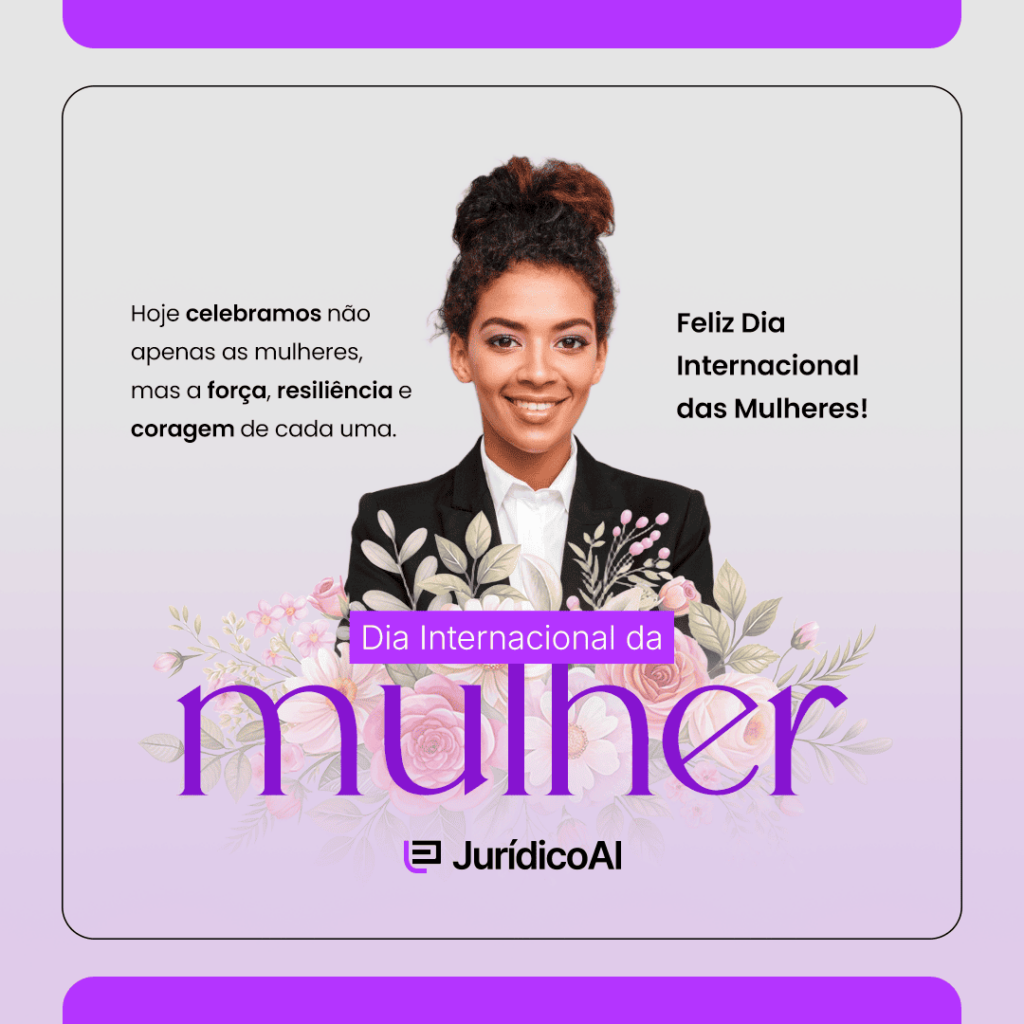
Today we commemorate the strength, resilience, and courage of women. Happy International Women’s Day!
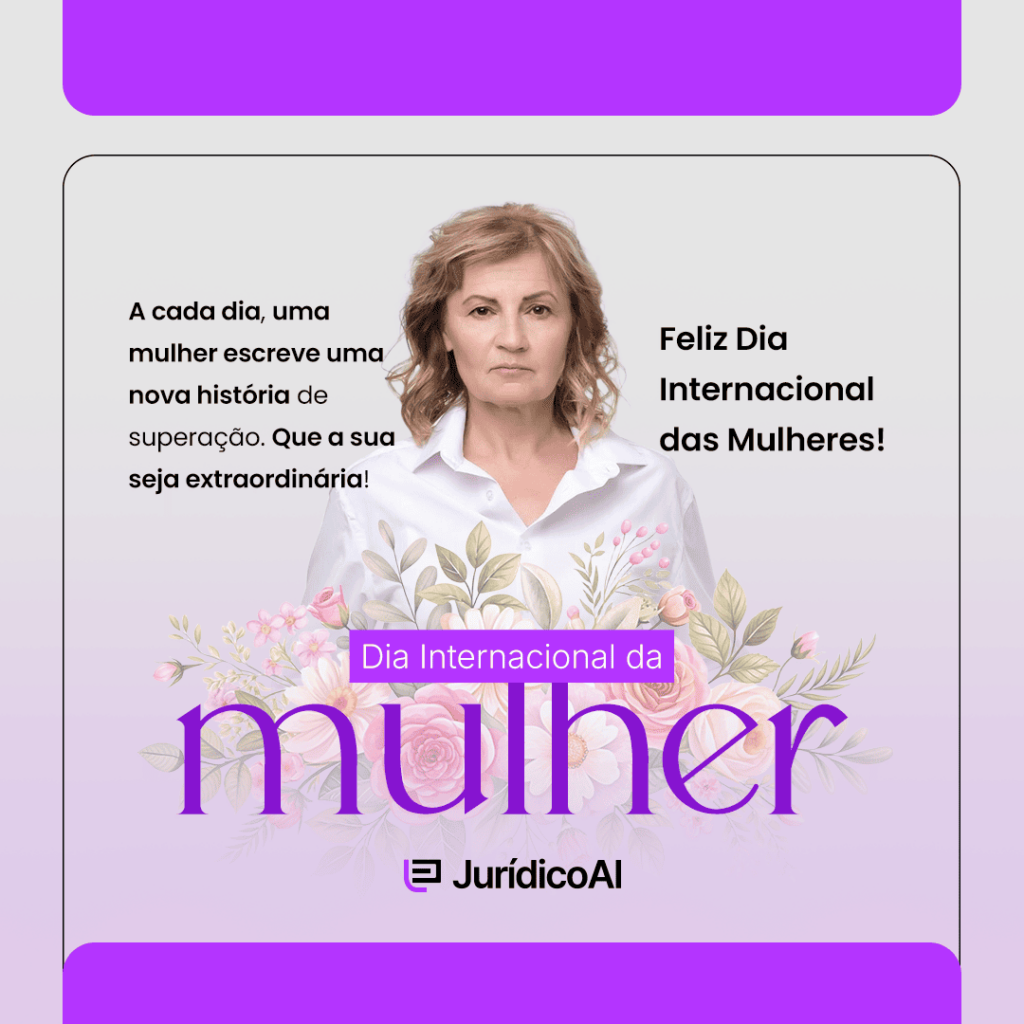
Every day, a woman creates a new tale of triumph. May yours be exceptional! Celebrating International Women’s Day!
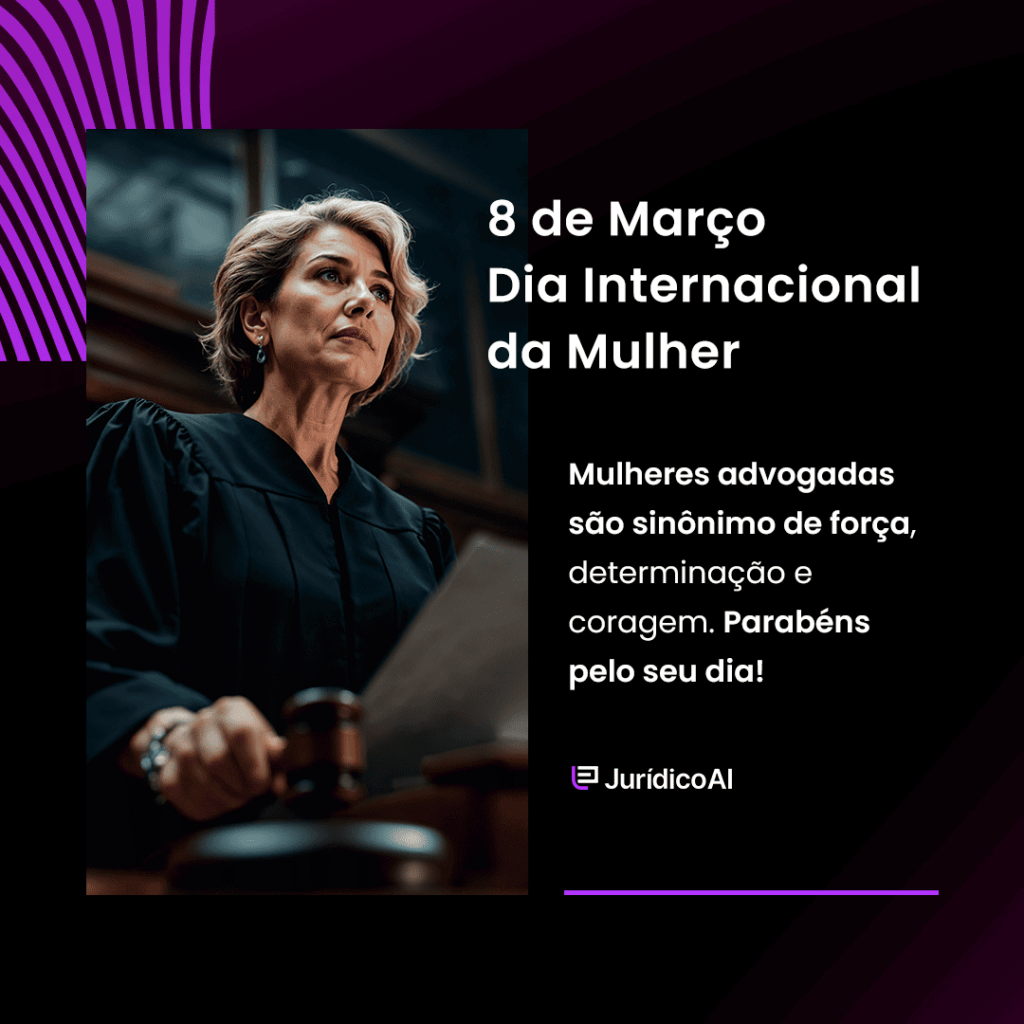
Women attorneys are known for their resilience, persistence, and bravery. Happy Women Lawyers Day!
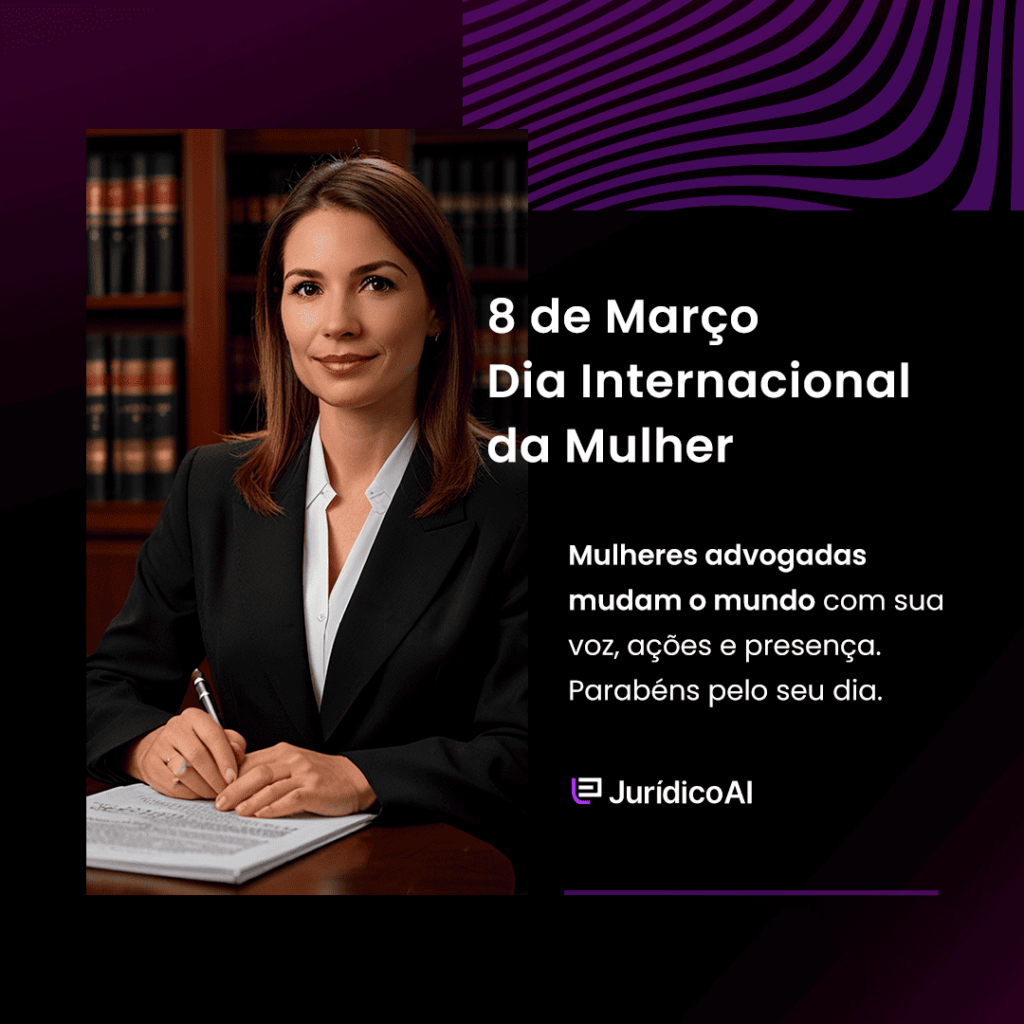
Women lawyers make a difference in the world through their voice, actions, and presence. Happy International Women’s Day!
The right is not a gift, but an achievement, and women lawyers protect these triumphs. Happy Women Lawyers Day!
We honor women lawyers who overcome obstacles and make a significant impact on the legal field on that special day.
Congratulations to all female attorneys advocating for justice on that significant day!

Congratulations to all female lawyers who, through their strength and wisdom, protect the rights of those requiring representation!

A tribute to women who change the world
International Women’s Day is a day marked by both challenges and festivities.
Recalling the past and acknowledging the obstacles encountered is crucial for progress in achieving gender equality.
May every victory spark further transformations and ensure that all women are consistently appreciated and honored.
